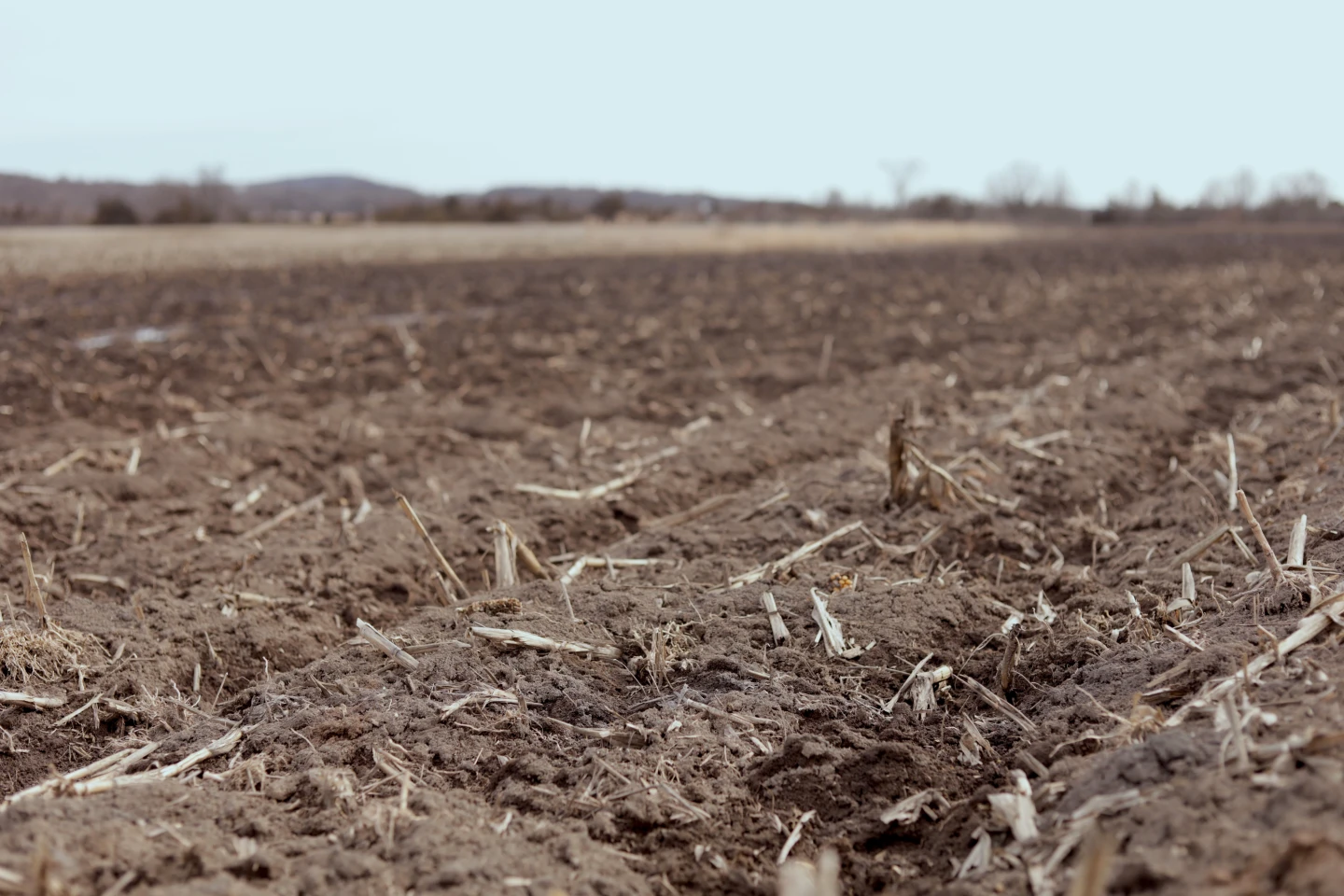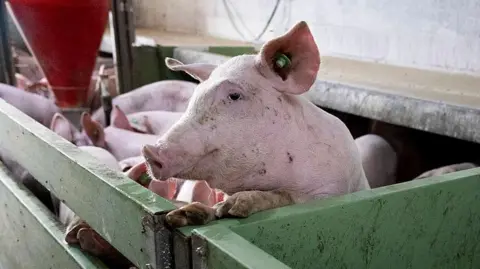
Jordi Saltiveri gazes across his farmland, on which he keeps 8,000 pigs, and remembers the day late last year when the news emerged that African Swine Fever (ASF) had been detected in Spain.
I felt sad, angry, impotent, he says. Once it's known that a country is positive for ASF, other countries will stop importing its pork. Saltiveri's farm, owned by his father and grandfather before him, is in an isolated spot in the province of Lleida, in the northeastern region of Catalonia. An old Catalan independence flag hanging by its entrance flaps in the wind, and the sound of pigs grunting and squealing in the farm buildings can be heard in the distance.
The outbreak of the virus remains relatively contained and it has not reached this area. Even so, Saltiveri, who is president of the federation of farming cooperatives in Catalonia, and almost every other pork farmer in Spain, is feeling its impact.
Each pig we sell for slaughter has lost about €30 [$35; £26] to €40 of its value compared to before the outbreak, he says. I'm worried because we're suffering big losses.
ASF is highly contagious and lethal for pigs and wild boars, but it does not affect humans. Ground zero for this outbreak is Collserola Park, a nature area on the edge of Barcelona, and a couple of hours' drive from Saltiveri's farm, where the corpse of a wild boar infected by the virus was discovered in late November.
The authorities moved quickly to shut down the park, restricting access to the area, while searching for more infected corpses... Subsequently, a significant culling of wild boars has begun, with over 24,000 so far this year. However, many in the pork industry express dismay at the slow response and warn against allowing the situation to worsen like in Germany, which has faced severe challenges with the virus in the past.
Despite the challenges facing farmers, domestic consumer sentiment appears stable, with shoppers showing confidence in the safety measures taken by authorities and continuing to enjoy pork as a staple of their diet.