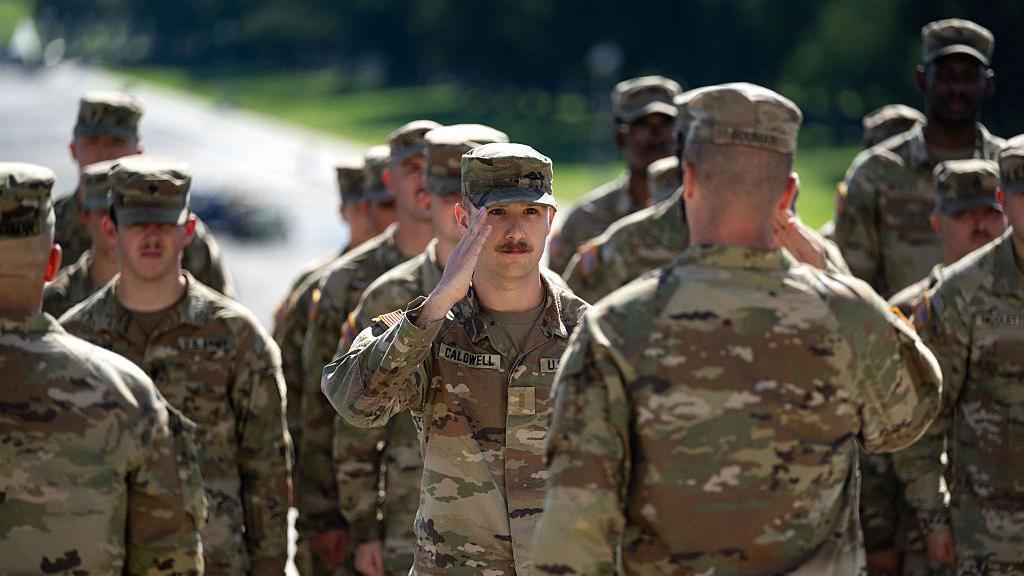
Since last week’s shooting of two National Guard members in the nation’s capital by a suspect who is an Afghan national, the Trump administration has unleashed a series of policies designed to make it more difficult for foreigners to enter or stay in the country.
The administration has paused asylum decisions, reexamined green card applications for people from 'countries of concern,' and halted visas for Afghans who aided the U.S. war efforts.
Days prior to the shooting, a memo (obtained by The Associated Press) revealed plans to review all refugee cases from the Biden administration.
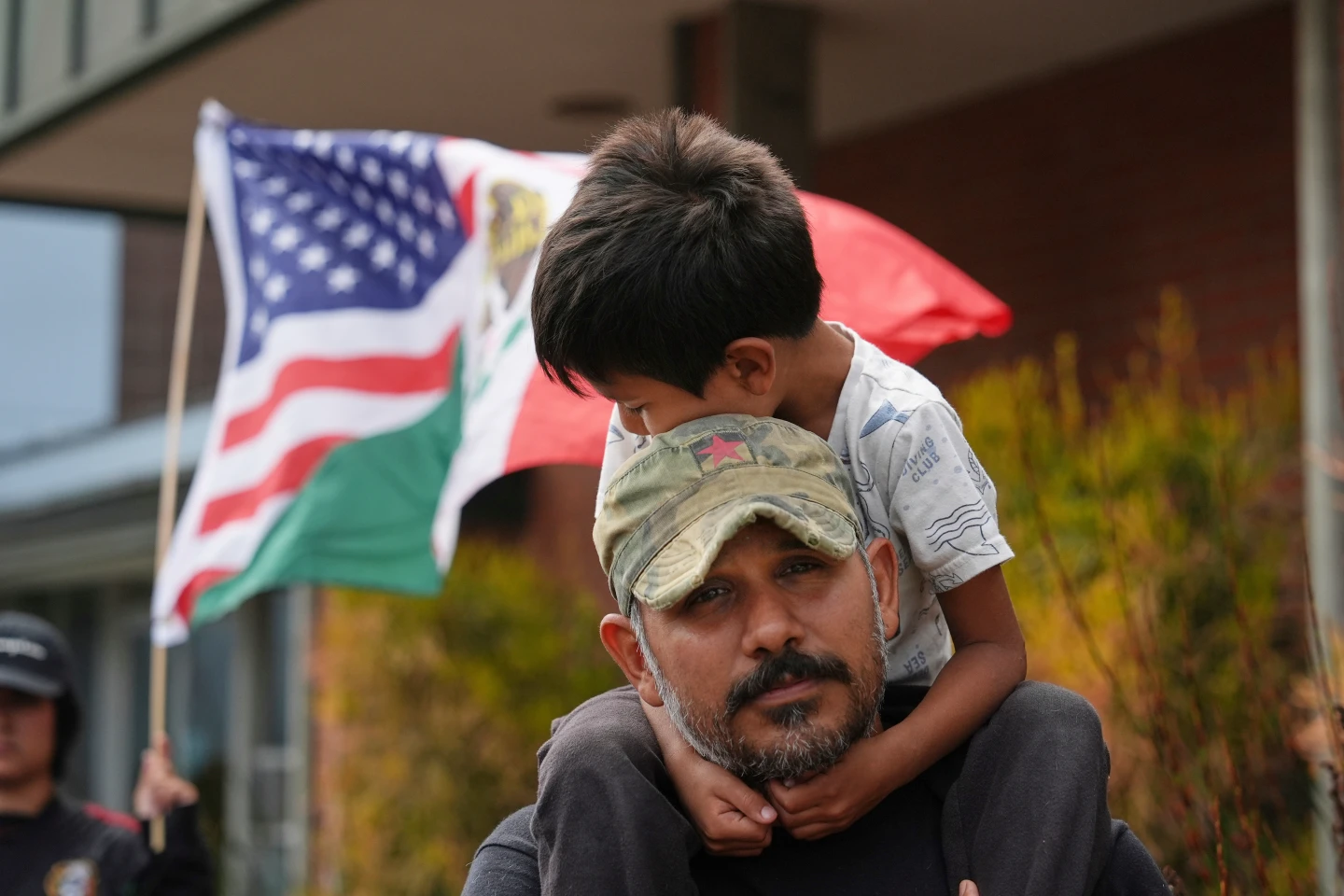
The aggressive move to curtail immigration has faced severe backlash from refugee advocates and organizations working with Afghans, interpreting it as collective punishment and a misuse of resources aimed at reopening already processed cases.
The Trump administration defends the measures as necessary to ensure that all entrants to the U.S. do not present security risks.
Suspension of Asylum Decisions
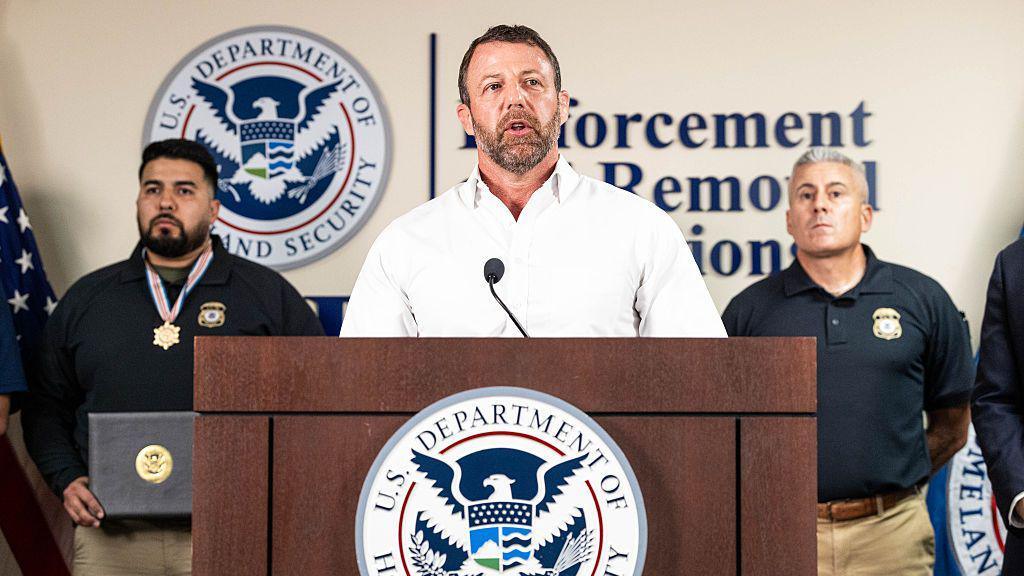
US Citizenship and Immigration Services (USCIS) Director Joseph Edlow announced via the social platform X that asylum decisions would be on hold 'until we can ensure that every alien is vetted and screened to the maximum degree possible.'
Specific details about the pause have not been reported, and asylum seekers must demonstrate a potential threat of persecution if returned to their home countries.
The suspected assailant in the shooting was granted asylum earlier this year, according to advocacy group #AfghanEvac.
The Trump administration had already limited asylum options earlier this year. Edlow's recent statements indicate that additional scrutiny will now be applied even to cases not affected by previous orders.
US asylum applications surged from 241,280 in 2022 to a record 456,750 in 2023, with the caseloads continuing to rise.
Reassessment of Green Cards for 'High-Risk' Countries
On November 27, Edlow mentioned that USCIS is conducting a comprehensive reexamination of all green cards issued to individuals from 'countries of concern.' These changes particularly target individuals from 19 countries, including Afghanistan.
“American safety is non-negotiable,” he stated.
The administration already restricted travel for citizens of 12 of these countries and imposed limitations on seven others.
Restrictions on Afghan Nationals
Stricter measures are also affecting Afghans directly. On November 26, USCIS announced a moratorium on all immigration requests from Afghan nationals.
Secretary of State Marco Rubio revealed that the State Department temporarily stopped issuing visas for all travelers holding Afghan passports.
Previously, the Special Immigrant Visa program offered a direct path for Afghans supporting U.S. military efforts to resettle in the U.S. But this recent moratorium essentially halts even that avenue.
According to #AfghanEvac, approximately 180,000 Afghans were in the process of applying for this visa program.
Review of Refugee Admissions Under Biden Administration
Prior to the shooting incident, the Trump administration began planning a major review of refugees who were admitted during the Biden administration.
Refugees must apply from outside the U.S. and face extensive vetting, separate from the asylum process. On November 21, Edlow’s memo outlined intentions to review nearly 200,000 refugees admitted under the Biden administration.
Advocates argue that refugees already undergo thorough vetting, and reopening these cases could undermine the integrity and efficiency of the process.