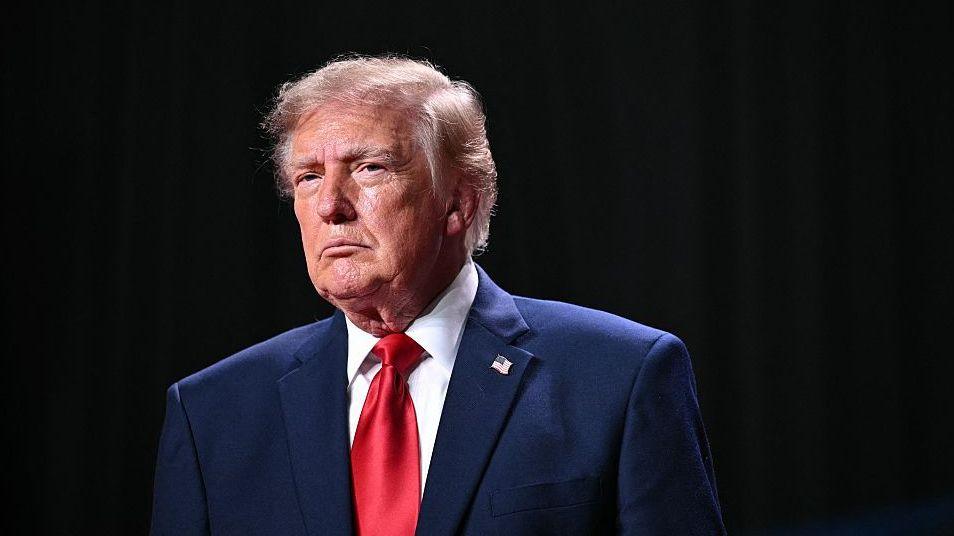
Donald Trump’s unexpected decision to import Russian diesel is a stark reversal from the sanctions he signed just weeks ago. The United States, long under high fuel costs, faces political backlash as prices continue to rise.
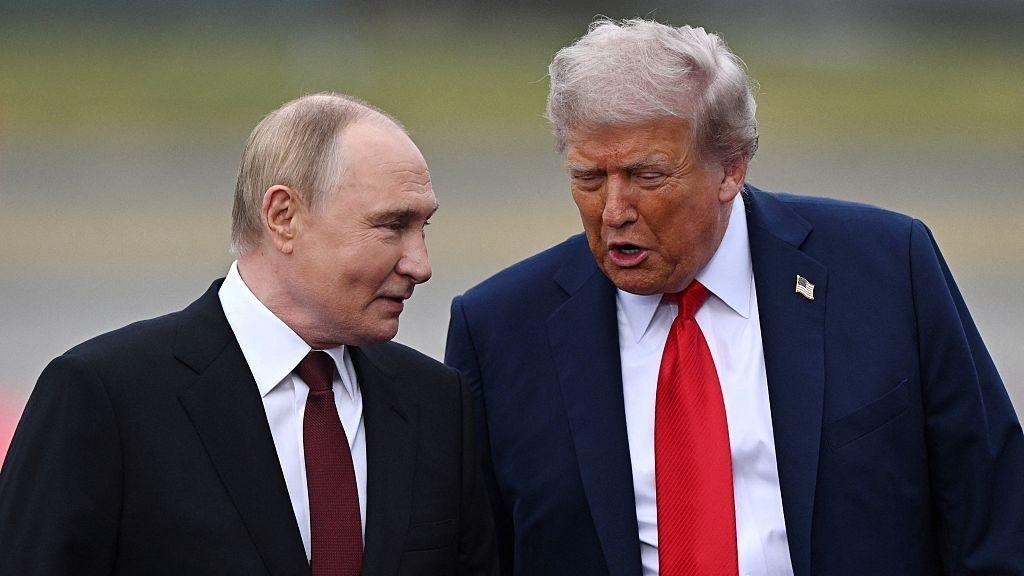
The president announced that Russian President Vladimir Putin has agreed to supply hundreds of thousands of tonnes of diesel to the U.S. and global markets, a move aimed at easing inflationary pressure on farmers, ranchers and truckers who rely on diesel for transport and operations.
This development comes at a critical moment as the midterm election campaign accelerates. Republicans are hoping a tangible drop in pump prices will shore up support in key agricultural states such as Iowa, Kansas, Texas and Ohio.
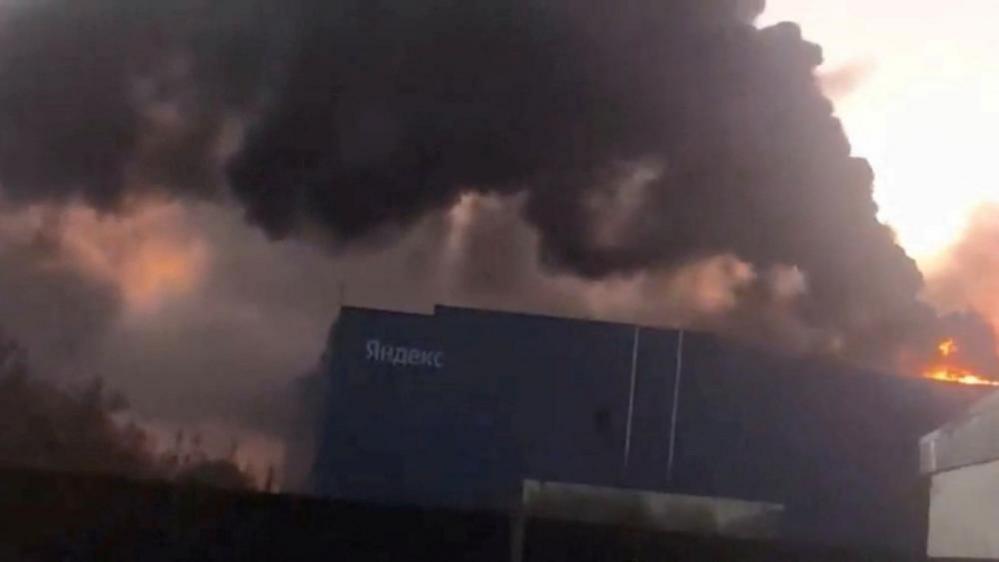
Analysts caution that the delivery of the promised fuel will be delayed by ongoing Ukrainian strikes that have damaged Russian refineries, and that the volume may still be insufficient to affect daily consumption significantly. With the administration promising to suspend hard‑country attacks on Iran until after the votes, the fuel deal underlines the administration’s willingness to make controversial compromises.
Opponents, including Ukrainian President Volodymyr Zelenskiy, have called the agreement a gift to Putin that may prolong the conflict. Whether Trump’s decision will translate into meaningful economic relief for voters remains uncertain as early voting rolls in and the political clock fastens.