US imposes sanctions on International Criminal Court, effectively cutting off the tribunal from American financial and technical support and signaling a major policy shift in U.S. foreign law.
Secretary of State Marco Rubio announced a sweeping ban on U.S. entities making any commercial transaction with the ICC, citing the court’s perceived threat to prosecute American nationals. The move was framed as a decisive defence of U.S. sovereignty and a counter to the ICC’s expanding reach.
The ICC immediately responded that the sanctions would undermine its ability to carry out international justice, describing them as an intimidation tactic. The court maintained that it would not be deterred and that the sanctions represent an attack on the rule of law.
Russia and China have, in past years, also weighed sanctions against the ICC. The United States, however, remains the only major western democracies that has taken such a hard line. The ICC’s charter, adopted in 2002, has never been ratified by Washington, meaning it has no formal jurisdiction over Americans, a fact the U.S. uses to justify its stance.
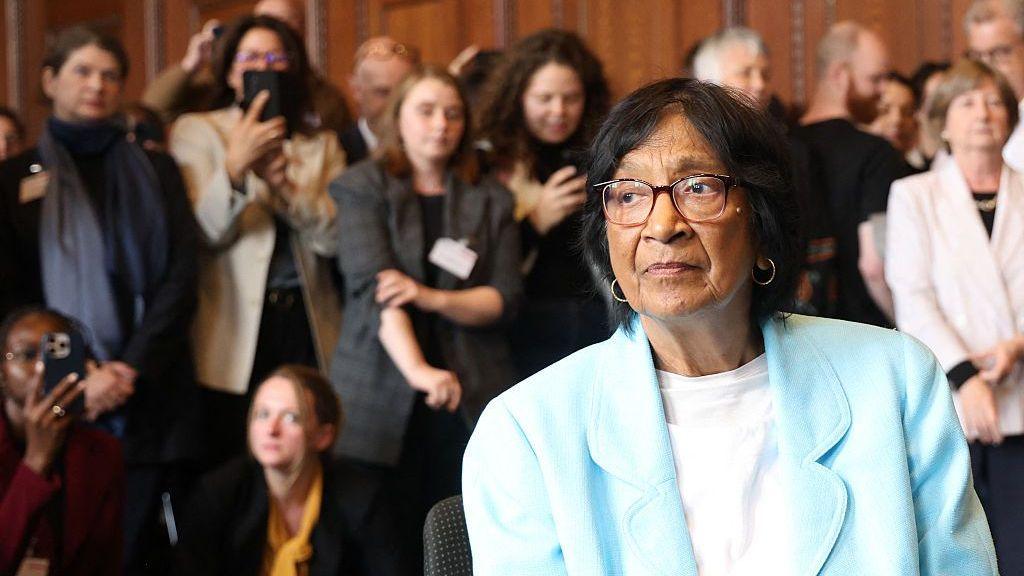
The sanctions arrived just hours after former ICC judge Navi Pillay was awarded the 2026 Nobel Peace Prize for her work on international law and justice. President Trump publicly criticised the award, arguing that Pillay’s work had implicated Israel in war crimes during the October 7 conflict, a stance that the administration has long opposed.
Under the new rules, U.S. companies are barred from providing goods or services that could facilitate ICC operations, including banking, data storage, software development, and legal services. Rubio said the administration would monitor compliance and was prepared for enforcement actions against violators.
The sanctions have prompted allies who are ICC members to re‑examine their own commitments. Rubio called on signatory countries to “rein in” the institution, urging a diplomatic response that could lead to a renegotiated framework for international criminal accountability.
Observers warn that the U.S. move may erode global cooperation on justice and violence prevention. Proponents argue that it reasserts national control over foreign legal processes and protects the rights of U.S. citizens under foreign judicial scrutiny.