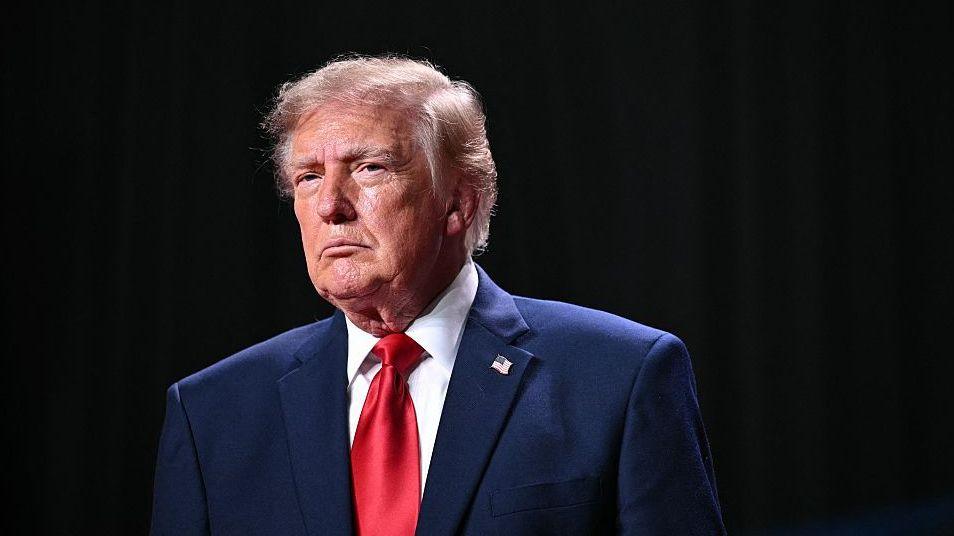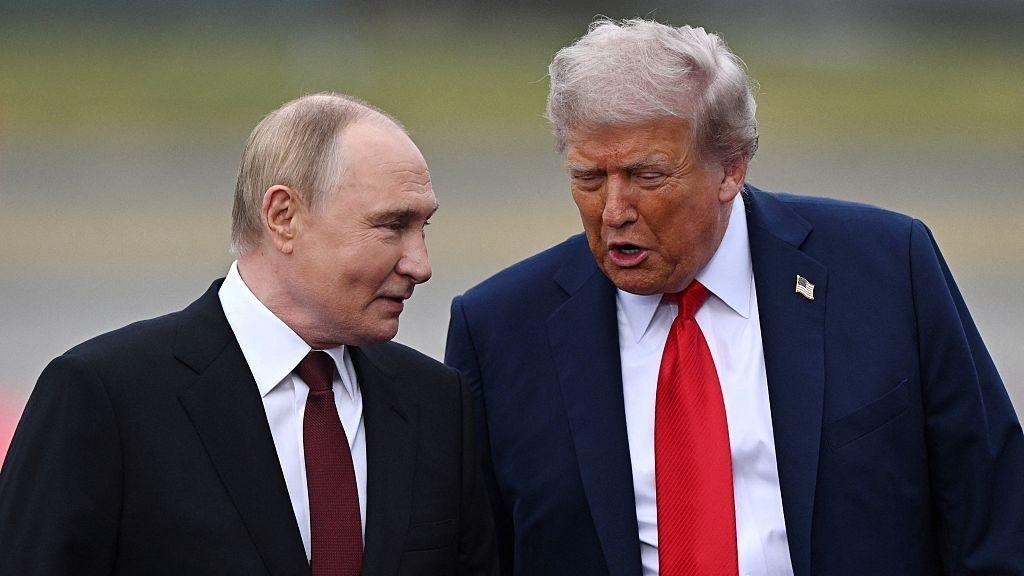
Donald Trump’s latest foreign‑policy gambit has turned heads after he announced a deal to import diesel from Russia, a stark reversal after signing sanctions a few weeks earlier.
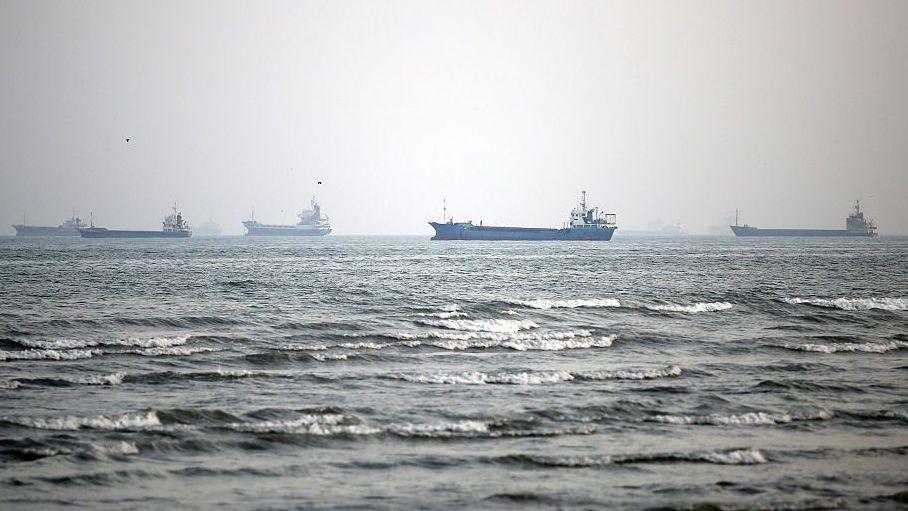
The United States now expects Russia to supply hundreds of thousands of tonnes of diesel in the coming months, a move that could ease shortages in key swing states where farmers, ranchers and truckers rely heavily on fuel.
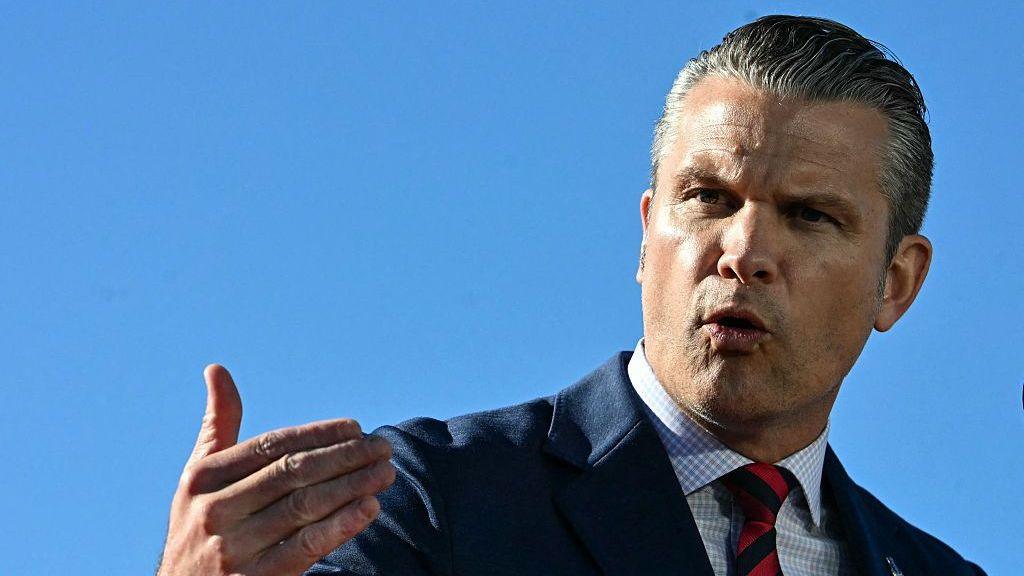
The announcement follows a flurry of actions aimed at softening the domestic political impact of the war in Ukraine: the president has pressed European allies to tap deeper oil reserves, deferred federal taxes on fuel, and allowed certain federal fleets to use gas allocated for agriculture.
Trump’s supporters claim the deal will lower pump prices, but analysts warn the effect may be muted. Current U.S. diesel consumption is around 3.6 million barrels per day, so the projected 300,000‑tonne supply would cover only about half a day’s needs.
European authorities are skeptical, arguing that re‑leasing Russian hydrocarbons would effectively fund Russia’s war machine. Ukrainian President Volodymyr Zelensky has described the agreement as a gift to Putin that could prolong conflict.
As November’s mid‑term elections near, voters in Iowa, Texas, Ohio and Kansas see fuel costs as a decisive issue. Trump stresses that lower prices for farmers, ranchers and truckers are my greatest priority, but the timing of the deal and its diplomatic fallout could cost him political capital.
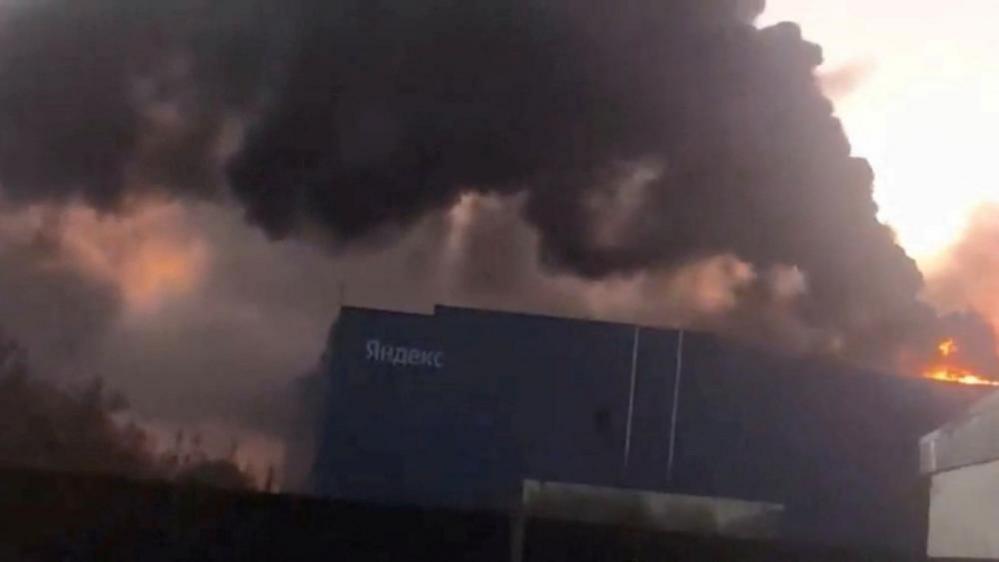
The supply chain for Russian diesel is fragile, with many refineries damaged by Ukrainian strikes. Whether the fuel can reach U.S. markets swiftly enough to influence consumer prices remains unclear.
Regardless of the economic outcome, the decision underscores a broader debate: should the United States trade economically with a country actively waging war? The answer may hinge on the forthcoming election outcomes and the bargaining power of global allies.
"