
During a May 2026 interview with CBS News, U.S. Vice‑President John D. Vance told reporters that Israeli Prime Minister Benjamin Netanyahu had ‘gotten some things wrong’ and that their policy goals sometimes diverge.
Vance said the Israeli leader aggressively pursues Israel’s interests, and while that is sometimes on the same page as the United States, at other times the two sides move in opposite directions. He implied that the U.S. government’s task is to stay focused on America’s best interests when those diverge.
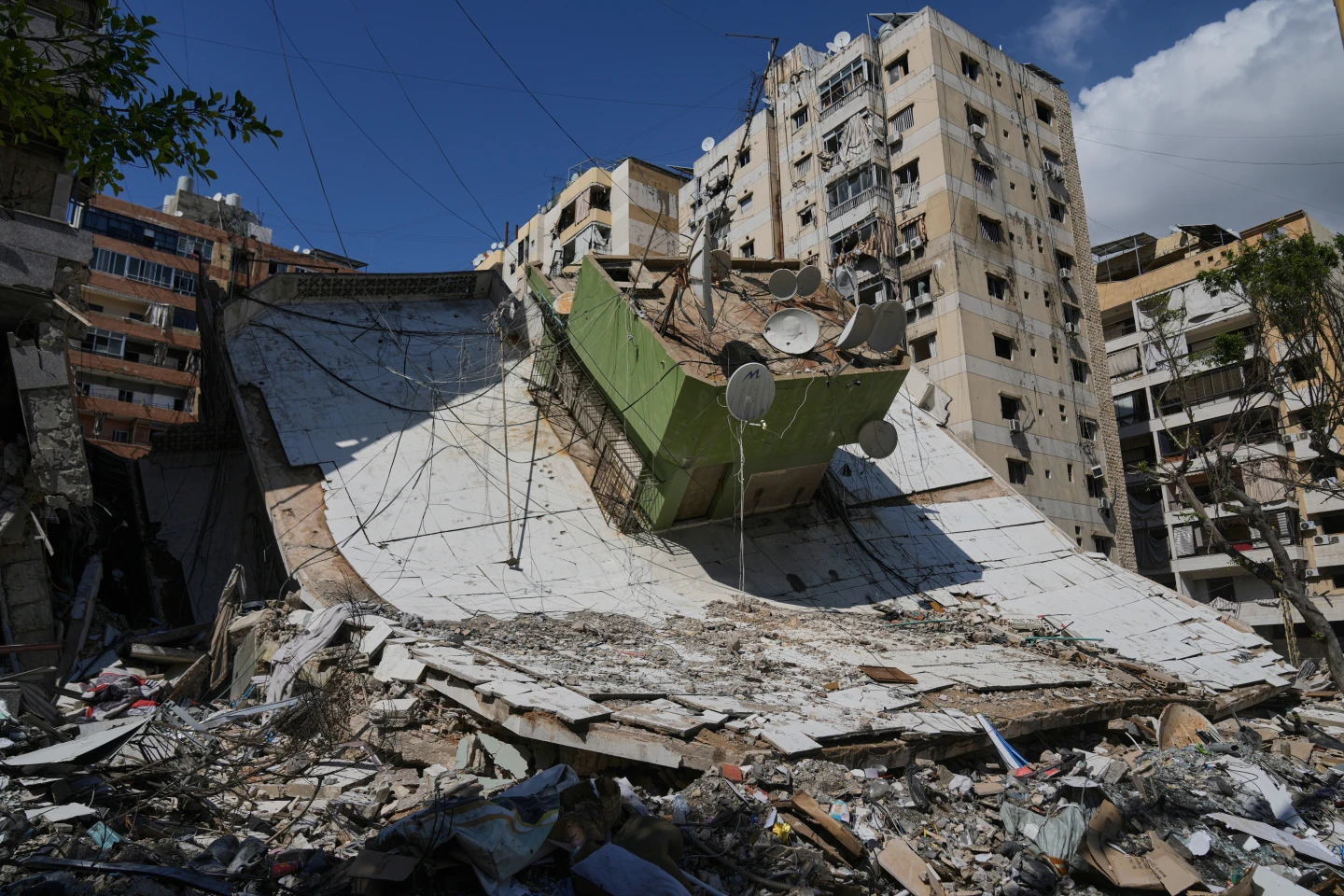
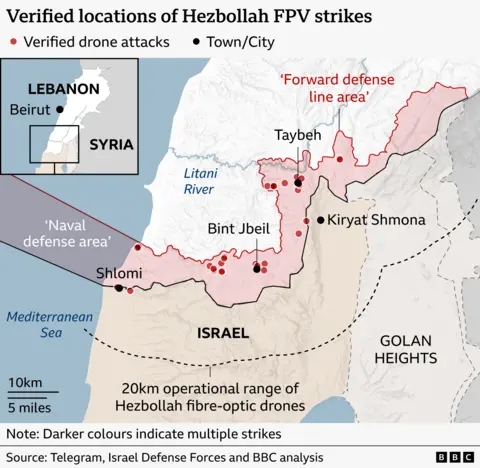
The remarks come at a time of high tension in the Middle East. Israel’s campaign in southern Lebanon against the Iranian‑backed militia Hezbollah has sparked a renewed exchange of strikes between Iran and the United States. These hostilities threaten the ceasefire brokered in April and have raised concerns that the two sides might lose diplomatic momentum.
President Donald Trump’s own comments about Netanyahu have further strained the relationship. In a separate conversation, Trump warned that Tehran had taken too long to end hostilities and criticized Netanyahu for continual confrontations with neighboring Lebanon.
Public opinion in the U.S. reflects growing fatigue over the Iran conflict. Polls show that many Americans view the war as costly and are less in favour of Israel’s military involvement, a sentiment that may influence the upcoming mid‑term elections.
For Israel, the timing is also significant because Prime Minister Netanyahu faces national elections this year. He maintains that any difference with the United States is a ’tactical disagreement’ and that the partnership works on a tactical level.
Meanwhile, the United States pursues a strategic goal: reopening the Strait of Hormuz and limiting Iran’s nuclear programme. These objectives have long been a cornerstone of U.S. policy in the region.
The conversation between Vance and media signals a potentially evolving partnership. As the U.S. and Israel navigate the complex dynamics of the Iran conflict and cross‑border hostilities, their alliance may need to recalibrate to maintain regional stability.