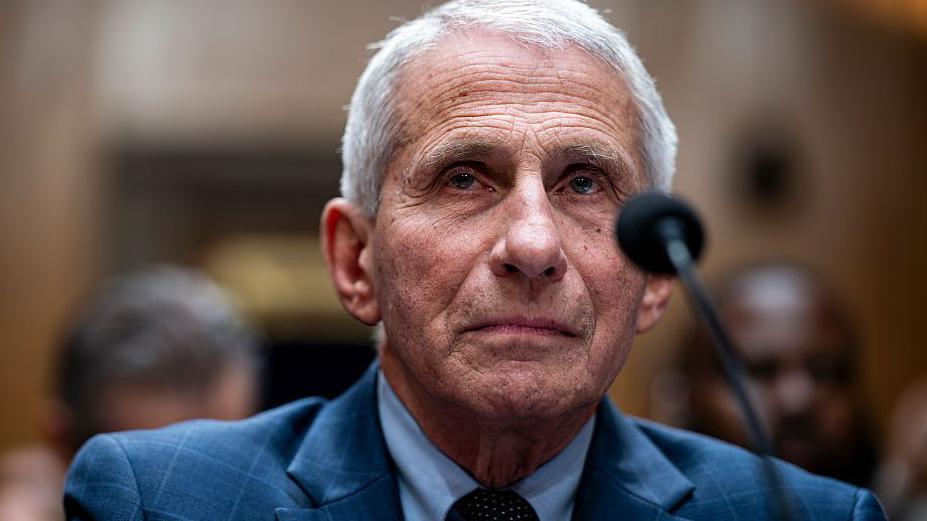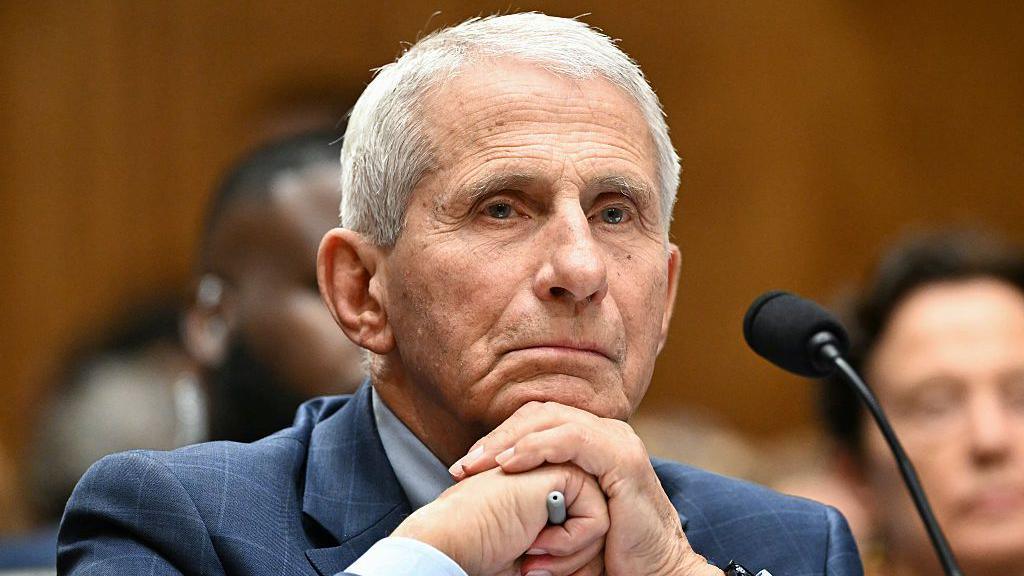
Anthony Fauci, the former head of the National Institute of Allergy and Infectious Diseases, declined to answer a series of questions during a U.S. Senate hearing on the origins of the COVID‑19 pandemic, citing a fear that his testimony might be used to prosecute him for perjury. The former public‑health expert invoked the Fifth Amendment—protecting witnesses from being compelled to testify against themselves in criminal proceedings—while remaining in the chamber as lawmakers continued their line of questioning.
The hearing came only days after Republican Senator Rand Paul released more than 1,000 pages of Fauci’s pandemic‑era journal entries, which questioned the prevailing narrative that the virus emerged naturally. Paul argued that Fauci’s own diary suggested a lab‑leak origin, a claim that Fauci denied, stating that the documents were insular private musings rather than public testimony.
In a bold move, Fauci announced, “Under the advice of my attorneys, I will invoke my right under the Fifth Amendment of the Constitution to refrain from answering your questions.” He added that he appreciated the Congress but feared criticism could be weaponised against him.
The debate highlighted a long‑running partisan split. While Republicans accused Fauci of contempt for Congress and alleged that his silence aimed to save himself from future prosecutions, several Democrats defended him, arguing that the committee’s questioning was a political entrapment. Senator Maggie Hassan, for instance, commented that Fauci’s refusal was “designed to entrap” the former scientist.
Fauci’s public image has suffered since the pandemic’s onset, facing backlash for mask mandates and other restrictions, and he remains a polarising figure in American politics. His career includes a decade in charge of U.S. responses to emerging infectious diseases and frequent media briefings for the public. Even more recently, President Joe Biden issued a pre‑emptive pardon, which Fauci stated did not admit any wrongdoing but acknowledged the public servants’ dedication to the country.
By refusing to answer, Fauci’s move underscores the tension between transparency and legal safety that has come to define the response to public‑health crises in the United States.