In brief
Dr Mahrang Baloch, once a celebrated activist fighting Pakistan’s enforced disappearances in Balochistan, has been convicted and sentenced to life imprisonment. Her case highlights the severe crackdown on dissent in a region where many of the population are denied basic access to information and justice. Balochistan’s political strife, marked by resource wealth and separatist movements, fuels ongoing abuses that deepen the cycle of resistance and repression. The conviction, following her lead in organising vast marches and persistent demands for transparency, has sparked outrage and calls for a fair trial. Amid criticism, her family maintains that the legal process remains flawed, and the struggle for human rights in the province continues.
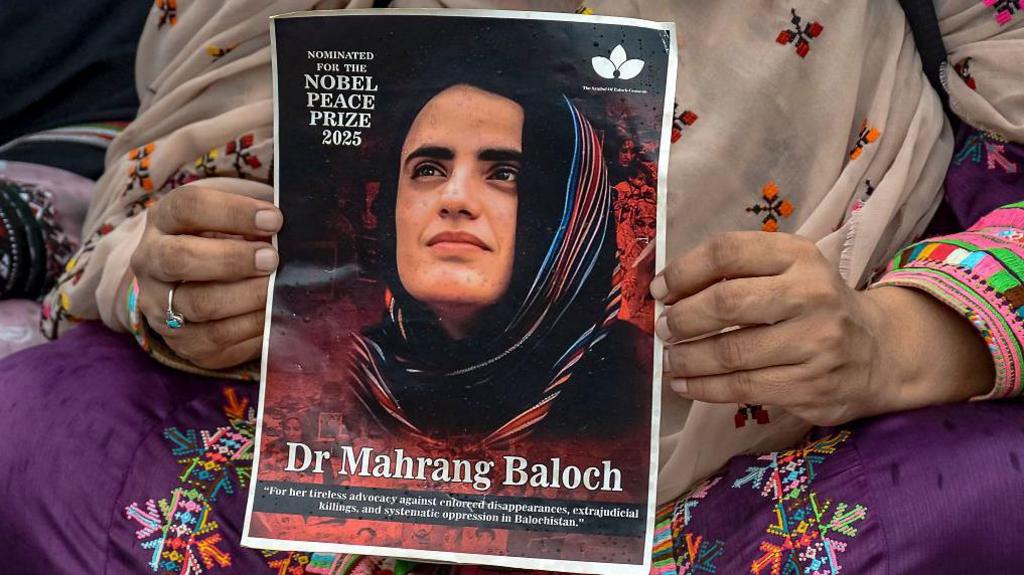
Dr Mahrang Baloch, 33, a doctor‑turned‑activist from Balochistan, became one of the most recognizable faces demanding answers on enforced disappearances in Pakistan’s largest province. Her public fight began when her father, a political activist, vanished in 2009 and later the police claimed had been found dead.
Since then, Mahrang has led marches, organised long protests, and pushed for institutional reforms. Her campaigns revealed the reality of thousands of missing Baloch people, many of whom were reported abducted by security forces and disposed of in clandestine graves.
On 24 June 2026, an anti‑terrorism courtroom handed Mahrang, and fellow activist Sibghatullah Shah, a life sentence for terrorism, sedition and murder tied to a 2024 protest in Gwadar. The pair deny the accusations, say they are politically motivated, and intend to appeal. The conviction was not only a personal blow but the furthest state action to silence a movement that yearned for rights over Balochistan’s own resources.
Family members, especially her sister Nadia Baloch, have criticised the trial as lacking transparency, citing hurried legal representatives and restricted access to witness information. Nadia insists the fight for justice will persist: “We will challenge it in higher courts,” she told the BBC after the sentencing.
Despite her imprisonment, the activist’s message remains unchanged: Balochistan’s struggle for identity, justice and survival will not end. Other activists, supporters and international observers call for an open, fair trial and for the truth on disappearances to be revealed. Their careful mobilisation demonstrates that even when a key voice is silenced, the collective will to demand answers continues to grow, inspiring new chapters of activism amid political turmoil.