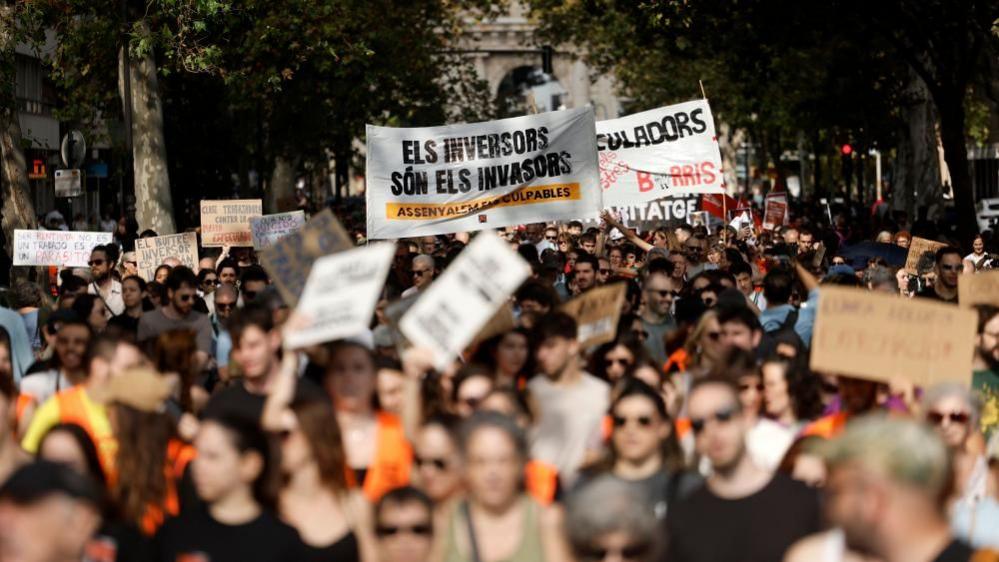
In the heart of Madrid, a growing group of students and recent graduates have erected tents beneath the iconic Puerta del Sol, turning the historic square into a makeshift city where the voice of the housing crisis rings loud.
Venture leader Pierina Nicuray, 21, has spent the last week pitching a tent, shouting that the root of the problem is simple: “a lack of homes.” She notes that landlords are exploiting the situation, raising rents while travellers book through platforms like Airbnb. When 19‑year‑old film‑dubbing student Jorge Moreno joined her, he reiterated the same complaint – he says empty homes are bought by investment funds and then re‑rented at higher rates, “making a business of housing” that leaves ordinary Spaniards without affordable dwellings.
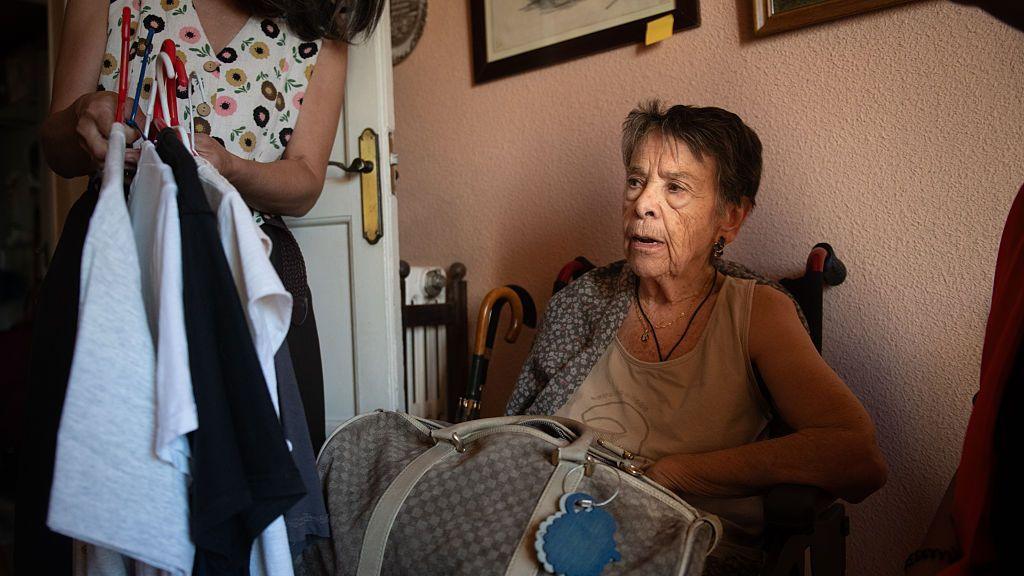
The protests were triggered by the recent eviction of 87‑year‑old Maricarmen Abascal. After a company that had purchased her apartment invited her to leave and swiftly increased the rent, Abascal struggled to pay. The eviction sparked a wave of outrage – the company eventually re‑invited her, but she never returned and died in hospital. Her case has become a national symbol for the housing crisis.
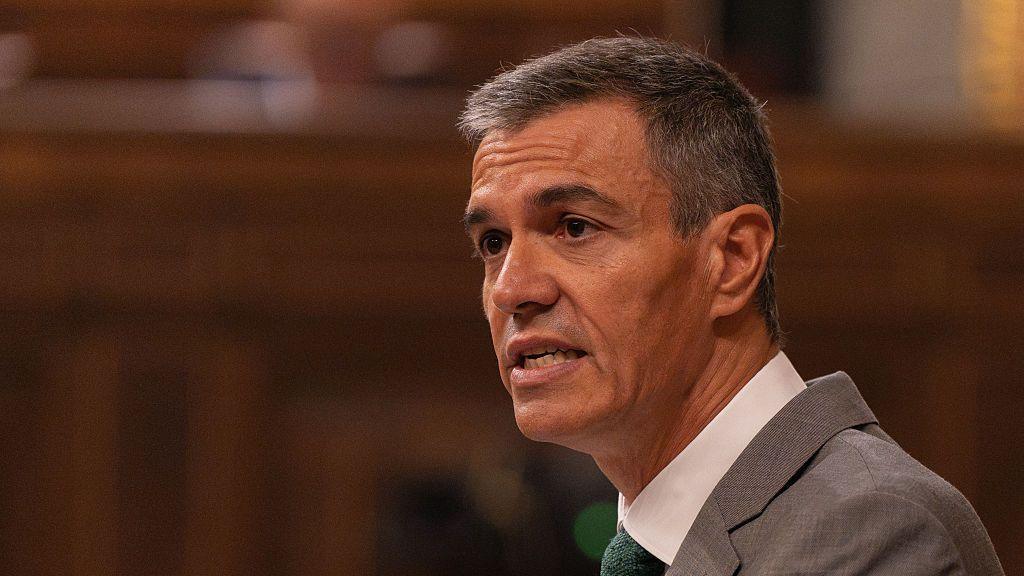
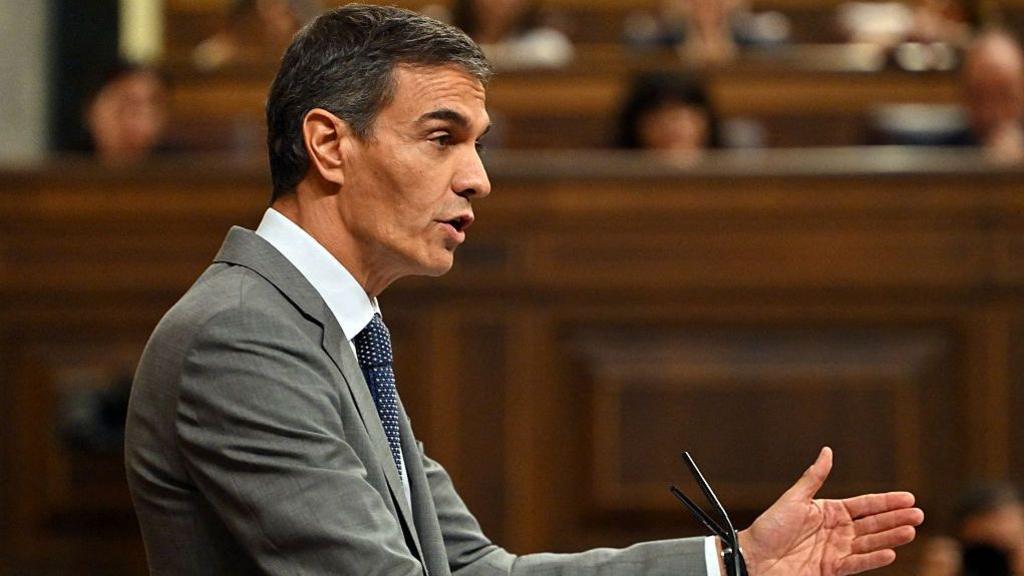
Prime Minister Pedro Sánchez has pledged legislative action, warning against treating homes as speculative assets. Confronted with a parliamentary rejection of his emergency measures, he announced a snap election, further escalating public concern. A recent study by the Centre for Sociological Research reveals that 72 % of Spaniards want higher taxes on those owning ten or more properties, 76 % support limits on short‑term rentals, and 40 % endorse expropriation of empty homes.
Experts, however, point to broader structural factors. Economist Jorge Galindo of Esade says that data show only 8 % of rental properties are company‑owned, and that the real spike comes from a shortage of supply relative to demand. Spain’s Bank of Spain estimates a housing shortfall of 750,000 homes, a figure that could rise to one million by 2028. The construction sector, weakened after the Eurozone crisis and the Covid‑19 pandemic, has struggled to keep pace with a 1.2 million new household boom driven by migration.
Wage growth has not matched inflation: a study in El País notes that real purchasing power has slipped 5 % from a decade ago, and the average Madrid salary hovers around €1,550 per month – less than 25 % below the 75–80 % of income workers should spend on rent. Retired taxi driver Francisco Pardo, 81, told reporters that many citizens cannot afford a decent home.
Now, the debate centers on whether Spain can reach consensus on solutions. As activists march, draw stelae, and demand policy, the city holds a silent portrait of a nation at the crossroads of housing policy, financial speculation and social equity.