Ryanair’s Q2 Profits Plunge as Middle East Conflict Hammers Fuel Costs
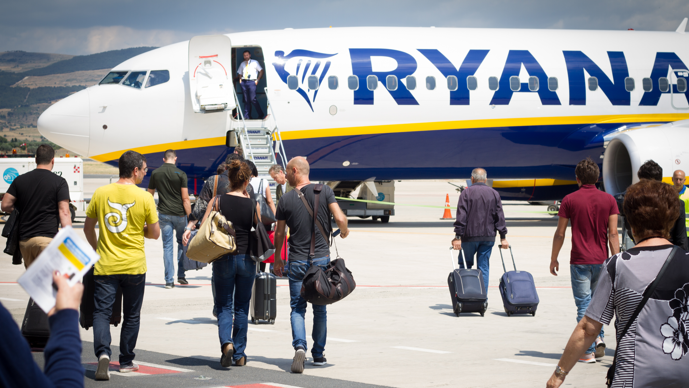
The Irish budget carrier announced that its pre‑tax profits fell 34 % to €593 million (£503 million) in the period from April to June 2026, a hard hit that mirrors the spike in jet‑fuel prices following escalating tensions in the Middle East.
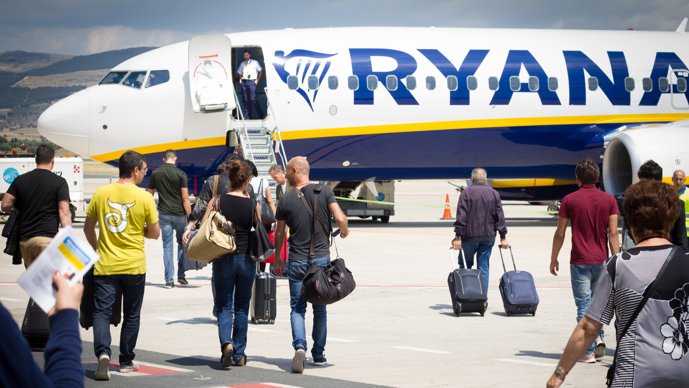
Ryanair’s sales was flat, a result of the carrier slimming fares to entice a market that has grown wary of travel as fuel costs have more than doubled for unhedged purchases, even though the airline had already locked in hedges on a portion of its fuel spend.
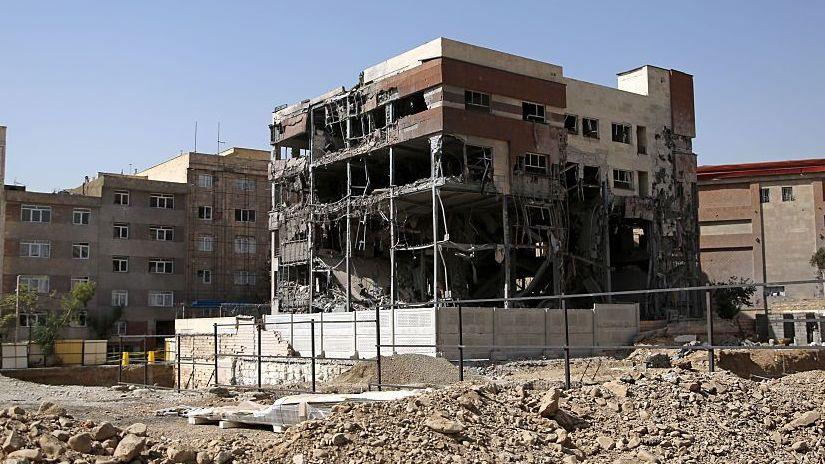
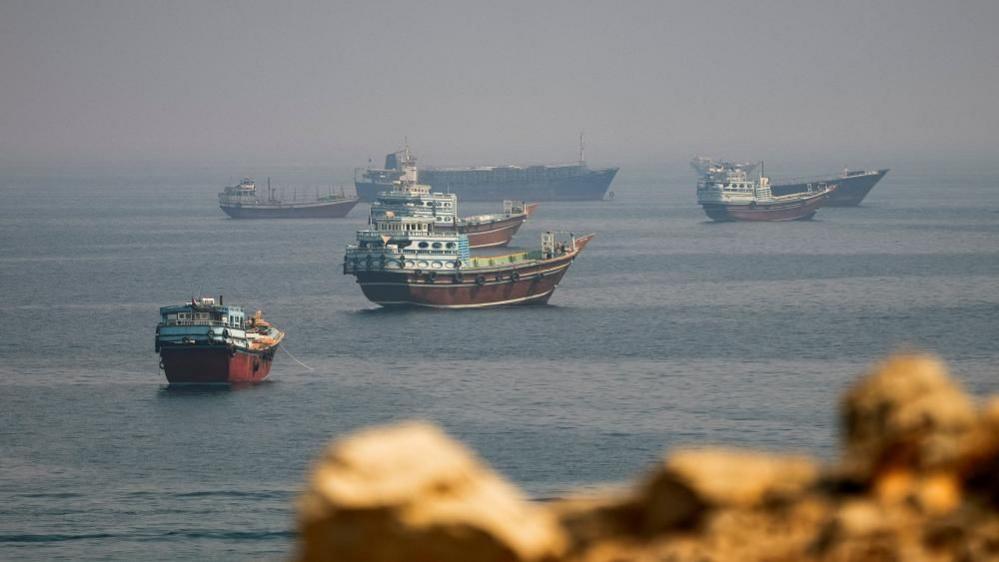
Crude oil briefly spiked to $90 a barrel (about £67) after the United States and Israel launched strikes against Iran in February. The Strait of Hormuz traffic ground to a halt, creating a volatile supply chain that rattled fuel prices worldwide.
Despite these headwinds, Ryanair saw a 6 % increase in passenger numbers, climbing to 6.1 million in the three‑month period, helped by the Easter holiday. However, the airline says its summer fares – covering July to September – are likely to be only modestly lower than 2025, with customers booking closer to departure dates.
Chief financial officer Neil Sorahan said that, while flights on Mediterranean routes remained full, the overall outlook for the year is “highly sensitive” to ongoing geopolitics in the Middle East, Ukraine and the price of unhedged jet fuel.
The share price fell 5 % on Monday, echoing concerns expressed by analysts such as Russ Mould from AJ Bell that Ryanair, though still better positioned than many competitors, faces “visibility issues” reminiscent of a foggy airport.
“The renewed escalation in hostilities in the Middle East is unhelpful, and without a lasting resolution, challenging times for the airline and travel space look set to continue.”