Prepare for turbulence - how a prolonged Middle East conflict could reshape how we fly
Once a mere stopover for luxury flying boats, Dubai has transformed over the decades into a global aviation center, particularly known for its bustling Dubai International Airport (DXB). As the world's busiest for international traffic, DXB managed over 92 million passengers in 2024, eclipsing London Heathrow.
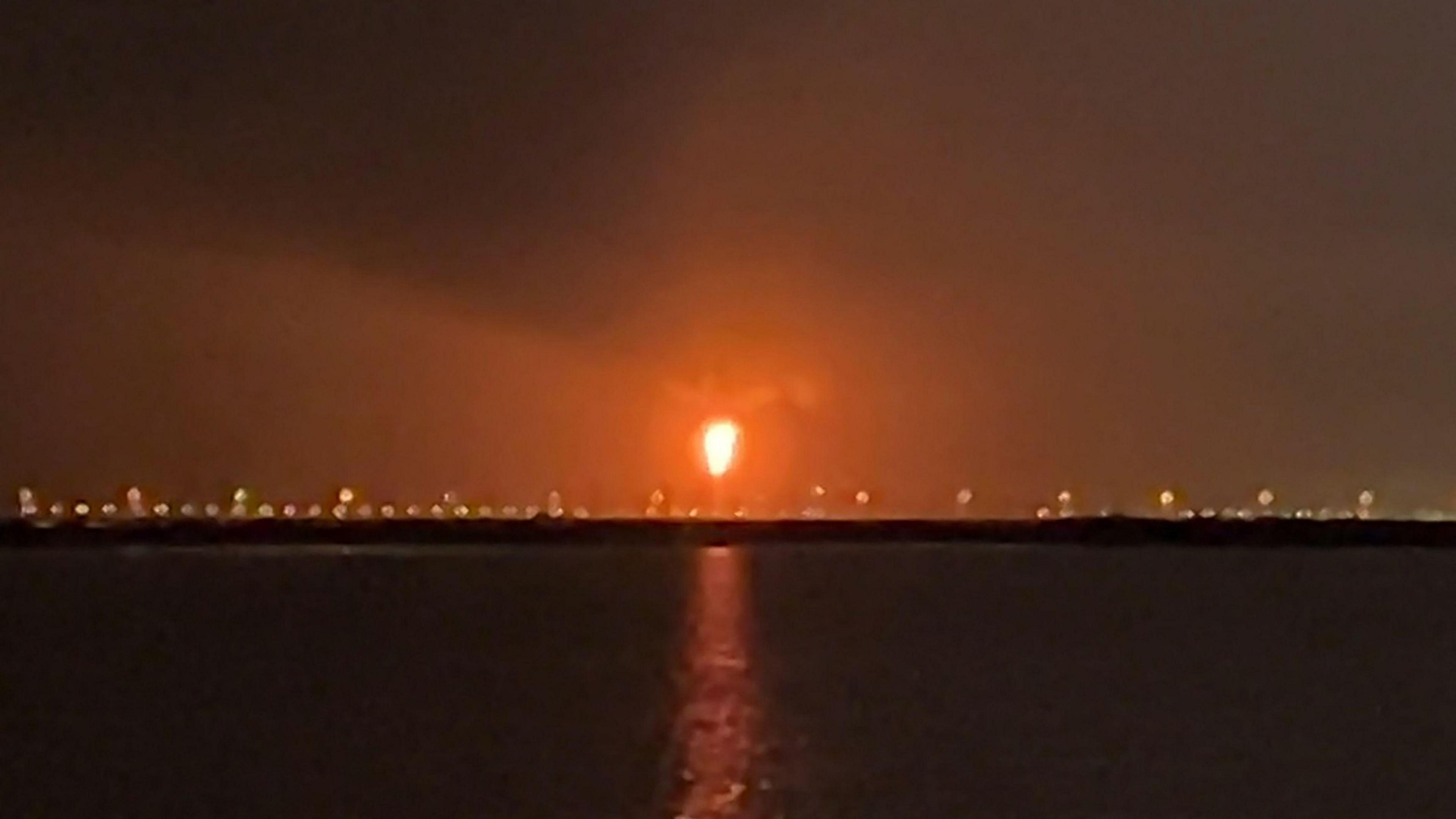
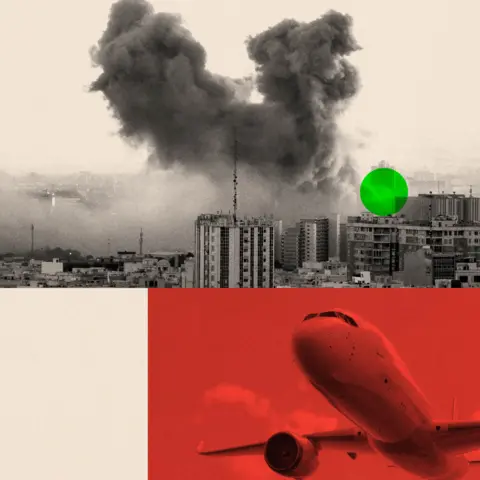
Yet the region is currently in turmoil due to a conflict that has upended flights and grounded aircraft across some of the busiest airspace in the world. Airports in Dubai, Abu Dhabi, and Doha typically manage over 3,000 daily flights, predominantly operated by Emirates, Etihad, and Qatar Airways. The ongoing hostilities have left countless passengers stranded and disrupted travel plans for many across the globe.
Prior bottlenecks in fuel supply further compound the situation, with the Gulf region typically serving as a primary source for jet fuel imports to Europe. The conflict has caused jet fuel prices to skyrocket, forcing airlines to cut back on flights, and leading to speculation of higher fares on the horizon.
The Gulf aviation model is predicated on convenient, efficient transit for long-haul travelers. Over multiple years, it has reshaped global travel dynamics, allowing seamless connections across continents. However, as geopolitical tensions continue to escalate, the sustainability of this model remains in doubt.
Member airlines have begun limited operations to repatriate stranded travelers, but schedules are still fragile, with 30,000 flights canceled since the conflict began. As carriers adapt by rerouting and introducing additional services through alternative hubs in Asia, many travelers may find alternate means to reach their destinations, questioning the reliance on Gulf hubs in the future.
While historical evidence suggests that aviation rebounds from crises, the long-term effects of the current conflicts on the industry's structure, pricing, and consumer perception are yet to be seen. For the Gulf states, the stakes are high, given their ambitions to diversify their economies beyond oil and gas dependency.
The future of travel through the Middle East, and with it, the economic prosperity tied to it, hangs delicately in the balance as the world watches the situation unfold.